Field notes / Compound risk
The storm isn't the risk. The stack is.
I haven’t posted here in a long time. I’ve been heads-down on work in the background, and the past few months show exactly why it matters.
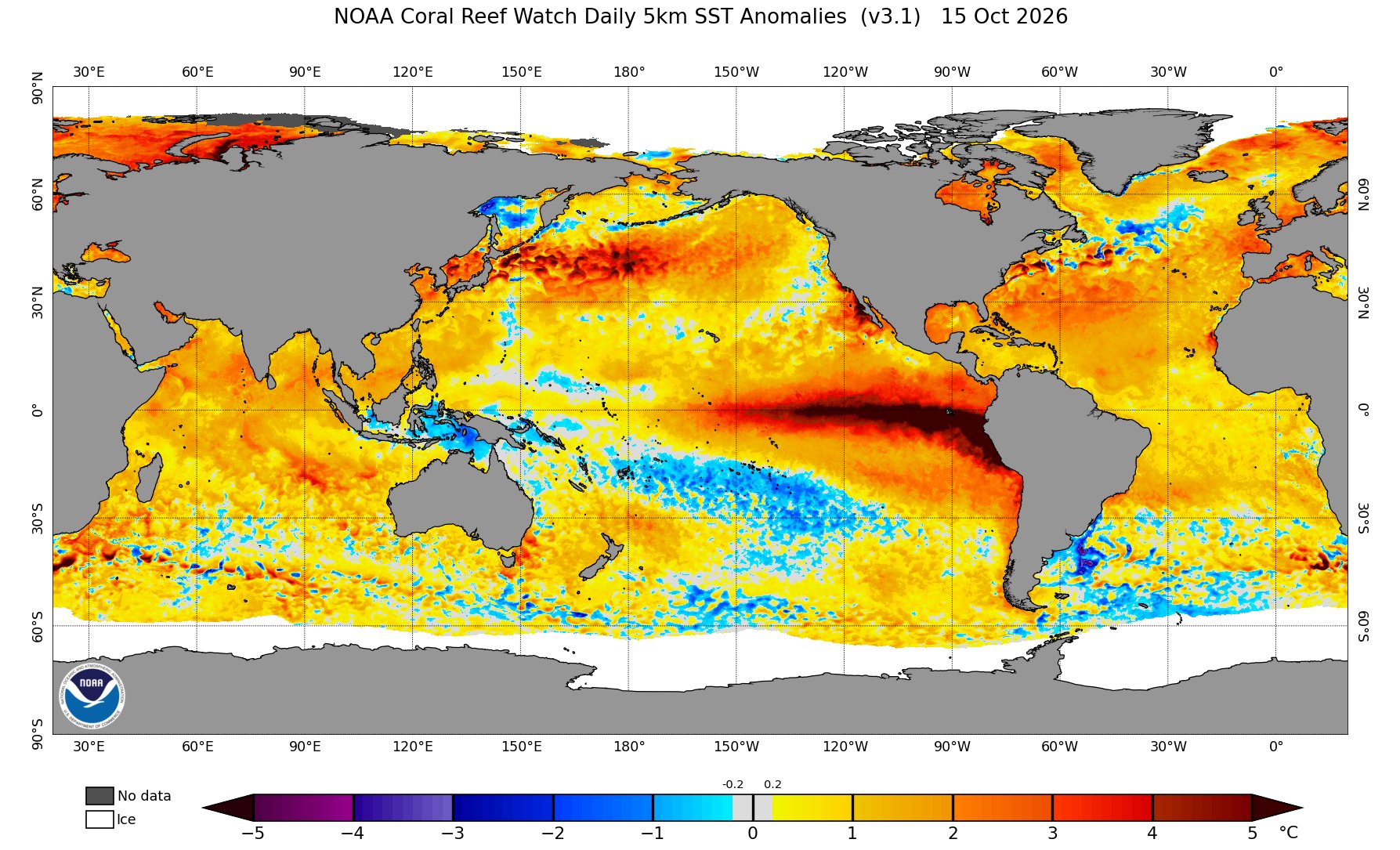
We are living through one of the strongest El Niño events ever recorded. What concerns me isn’t any single hazard. It’s how hazards sequence and stack: compound events.
Hazards don’t happen in isolation
Since El Niño formed in June:
- Japan: record 40°C+ readings, then Typhoon Dujuan’s landslides killed at least five near Tokyo.
- Mexico: Hurricane Polo gained 110 mph in 24 hours. Lead times are collapsing.
- China and the western Pacific: ~US$8.5B in July disaster losses and the busiest August for cyclones since 1961.
- Europe: the hottest summer on record in western Europe, record-low rivers and 300,000+ fire evacuations in France and Spain. Heat dried the soils; dry soils amplified the heat.
- Africa: East Africa is swinging from drought to a flood-prone October–December. Southern Africa faces a dry planting season.
Closer to home: NSW
In August, the NSW Government said a warmer, drier autumn had left many parts of NSW unusually dry, some regions already in drought. The RFS Commissioner has pointed to years of above-average rain and significant vegetation growth. To me, that’s a classic preconditioned setup: wet years grow the fuel, El Niño dries it.
The BoM cautions that a strong El Niño doesn’t necessarily mean strong impacts here. But its outlook favours below-average Oct–Dec rain in the south-east, and waters off southern NSW are especially warm; warmer seas can raise the potential for high-intensity rainfall. My concern: fire weather and flash flooding hitting the same catchments weeks apart.
Add a non-climate stressor: H5 bird flu was first detected on mainland Australia in June, with 350+ confirmed events by late August, including terns in western NSW. It isn’t linked to El Niño and human health risk remains low, but it is affecting wetlands, beaches and reserves councils manage.
The compound profile I’m watching
- ConcurrentHeat, drought and fire weather together.
- PreconditionedIntense rain on baked or burnt catchments.
- Temporally compoundingBack-to-back events, no recovery window.
- CascadingHeatwave → grid failure → loss of cooling refuges.
- Multi-stressorClimate hazards overlapping biosecurity events.
From hazards to loss of service
Single-hazard risk registers miss these. That’s the gap I’ve been working on: a climate risk methodology I developed, designed to work across a council’s entire asset portfolio. It flags compound hazards instead of averaging them away, tests loss of service rather than just condition, and links high-risk assets to adaptation pathways with clear triggers.
Next steps: applying it to a case study and developing an advanced GIS-based tool that shows asset managers how these hazards translate into impacts on their assets.
Originally shared on LinkedIn, September 2026.